
Modern RV life has changed—and so have the demands we place on our electrical systems.
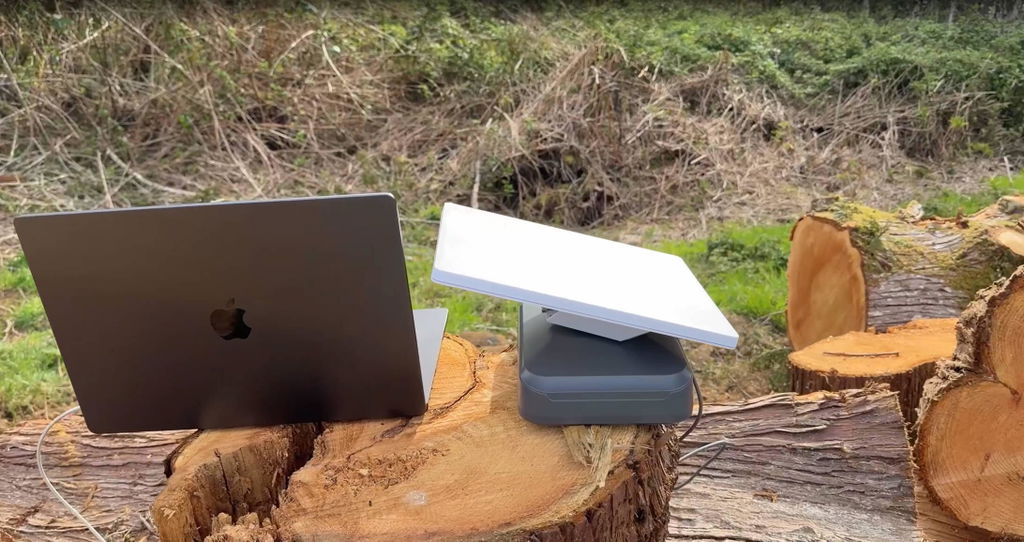
A typical day now includes a 12V fridge cycling constantly, Starlink running for connectivity, laptops powering remote work, fans and lighting running for comfort, and a morning coffee maker kicking on without a second thought. None of this is unusual anymore.

But many RV owners quickly discover that their factory-installed power system can’t keep up with this kind of real-world usage. What used to be “normal” for weekend campers now feels limiting for full-time travelers, remote workers, and boondockers.
Why Your RV Battery Falls Behind During Normal Daily Use
1. Limited usable capacity from factory batteries
Most RVs still use AGM or lead-acid batteries, which only deliver about 50% of their rated capacity. So a “100Ah” battery often means 50Ah of real usable energy before voltage drops shut things down.
A fridge + Starlink + laptop can burn through that by late morning.
2. Voltage sag interrupts sensitive electronics
Even when capacity remains, voltage dips can cause:
- Fridge compressor hesitation
- Starlink rebooting
- Laptop power dropouts
- Lights dimming
- Inverter alarms
This isn’t “overloading”—it’s chemistry limitation.
3. Inverters consume power even when idle
A typical RV inverter draws 1–2 amps continuously just being on.
That’s 20Ah lost per day before powering anything meaningful.
4. Charging sources often can’t keep up
Short drive days, partial shade, winter sun angles, and weak factory converters mean many RVers start the day not full.
Once you're behind, you stay behind.
The Real Issue: Modern RV Loads vs. Old RV Power Systems
The “traditional RV battery setup” was built for:
- Incandescent lights
- Water pump
- A propane fridge
- Minimal electronics
But today’s RV lifestyle looks more like a small off-grid home.
Your loads aren’t unreasonable—your system is outdated.
You don’t need to turn devices off.
You don’t need to camp differently.
You don’t need to be afraid of power use.
You simply need a power system sized for your actual lifestyle.
Upgrading Your RV Power System the Right Way
For RVers who routinely run multiple devices—fridge, Starlink, fans, laptops, lights—a more capable electrical setup makes the biggest difference. Many owners choose to pair a larger deep-cycle battery bank (for example, a 320Ah LiFePO₄ battery) with 600-1000W of solar and a proper charger/inverter.
This kind of setup provides:
- longer daily runtime
- stable voltage for sensitive devices
- faster recharge from solar or alternator
- enough overhead for work, cooking, and comfort devices
You can select the exact components that match your RV, but the formula remains simple:
High-capacity lithium battery + appropriate solar input + proper charging = a system that finally keeps up with real-world RV use.
How a Correctly Built System Changes Your RV Experience
With a balanced system:
- your fridge cycles smoothly
- Starlink stays online
- laptops stay powered during long calls
- lights and fans run without hesitation
- voltage stays steady instead of dipping
- you stop thinking about power every hour
- your RV feels like a small home, not a fragile setup
If you’re relying on your RV for remote work, longer trips, or off-grid stays, the difference becomes obvious fast. Instead of watching your voltage drop, choosing which devices to turn off, or cutting your day short, you simply enjoy steady, reliable power.
And while a modern lithium setup is an investment, it’s one that pays for itself in comfort, consistency, and confidence on every trip.
So the real question is:
Is your current system supporting the RV lifestyle you want—
or holding you back from it?
0 comments